Thinking about freshening up your Peabody kitchen this winter so you can hit the spring market strong? In Greater Boston, buyers often zero in on kitchens when making an offer decision. The right mid-range updates can improve photos, boost day-to-day function, and help your home compete. This guide shows you what local buyers tend to want, which projects deliver solid value, what to expect for costs and timing, and how to handle permits in Massachusetts and Peabody. Let’s dive in.
What Peabody buyers want
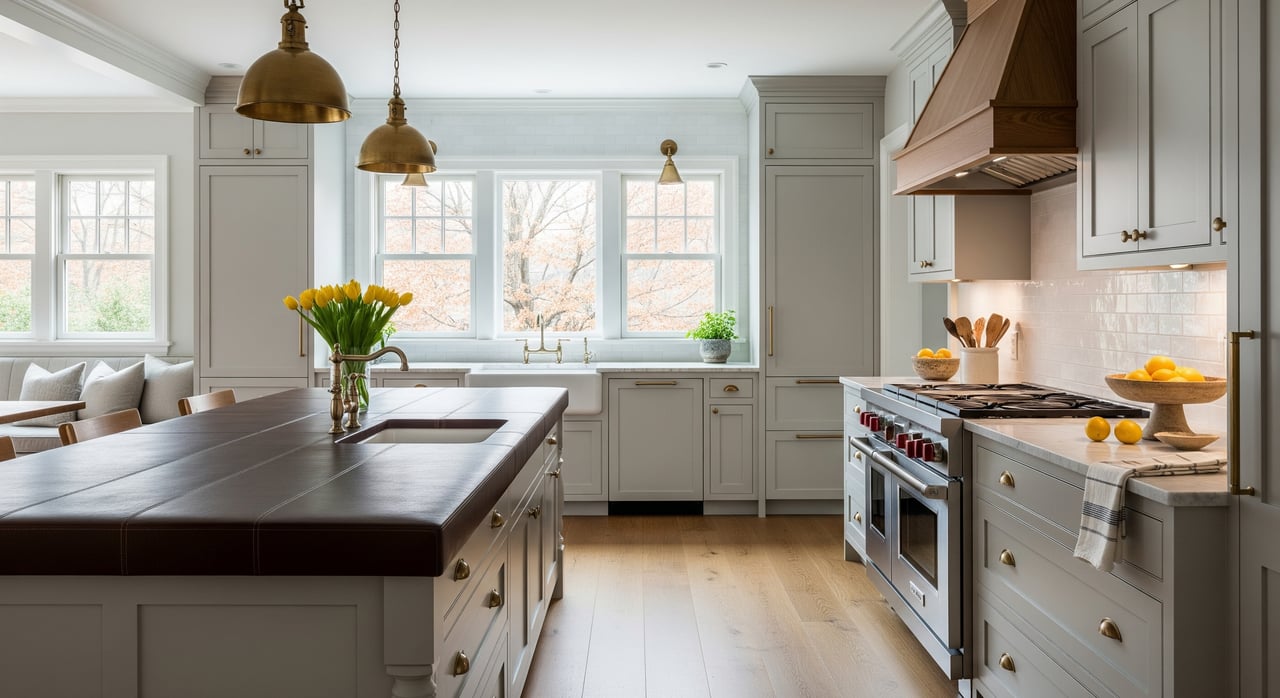
Many Peabody homes are older, with early 20th-century character and practical layouts. Buyers in the Cambridge–Newton–Framingham sphere often expect move-in-ready kitchens with neutral finishes that blend well with period details. You will see strong interest in bright palettes, quartz counters, Shaker or painted cabinets, and a cohesive stainless appliance package.
Function matters. Storage upgrades like pull-outs, pantry systems, and drawer organizers are noticed. So are islands or peninsula seating, good lighting layers, and a well-vented range hood. Gas ranges remain popular where available, while induction is gaining attention among tech and energy-conscious buyers.
Plan your winter work with the spring market in mind. Contractor schedules, material lead times, and permits can impact timing. Work backward from your target list date and lock in long-lead items early.
Mid-range upgrades that add value
Layout and flow
- Create open sight lines. Removing a non-loadbearing wall or widening an opening can make a smaller kitchen feel larger. Structural changes require professional review and a building permit.
- Add or optimize an island. Even a modest island with seating or a prep zone boosts usability and appeal in listing photos. Electrical or gas additions typically trigger permits and inspections.
- Improve the work triangle. Moving the sink or appliances can modernize flow, but it adds plumbing and electrical costs and almost always needs permits.
Cabinets and storage
- Refresh what you have. If cabinet boxes are solid, refacing or repainting doors with new hardware delivers a big visual lift at a lower cost.
- Replace where needed. New mid-range cabinets help reset layout and add soft-close drawers. Neutral styles like Shaker or flat panel maximize broader appeal.
- Upgrade interiors. Pull-out trays, pantry organizers, and deep drawers are affordable improvements with high perceived value.
Counters, backsplash, and flooring
- Choose quartz for durability and low maintenance. It gives a clean, modern look that photographs well and aligns with buyer expectations.
- Finish the backsplash. Classic subway tile or other neutral options help the space feel complete.
- Update worn floors. Consider engineered hardwood or tile. Many buyers like visual continuity into adjacent dining or living areas.
Lighting and electrical
- Layer the light. Combine recessed ceiling lights, under-cabinet task lighting, and pendants over the island.
- Replace dated fixtures. Neutral, modern fixtures and LED downlights meet energy expectations and brighten the space.
- Update to code. Ensure GFCI protection at outlets and adequate circuits. New outlets or island power typically require an electrical permit.
Appliances and ventilation
- Go for a matching stainless package. A coordinated range, hood, refrigerator, and dishwasher signals a complete, ready-to-enjoy kitchen.
- Vent to the exterior when possible. A vented hood is preferred over recirculating models. Vent changes can trigger permits.
- If you must phase upgrades, prioritize the range and hood, then the refrigerator and dishwasher, keeping finishes consistent.
Small upgrades with big impact
- Swap the sink and faucet. A deep stainless sink and a pull-down faucet feel modern and practical.
- Update hardware and paint. New pulls, fresh wall paint, and clean trim sharpen listing photos.
- Add simple tech. Under-cabinet lighting and a few integrated charging outlets add daily convenience.
Costs, timelines, and winter planning
Every home is different, but these ranges help you plan a winter project for a spring listing in Greater Boston and Essex County.
- Cosmetic refresh: 1 to 2 weeks, about $3,000 to $8,000. Think painted cabinets, new hardware, backsplash, and an appliance swap.
- Mid-range remodel: 3 to 8 weeks, about $25,000 to $60,000. New counters, refaced or new cabinets, appliance package, lighting, and flooring.
- Cabinet refacing or partial replacement: around $7,000 to $20,000 depending on scope and number of units.
- Full gut or high-end mid-range: 8 to 12-plus weeks, about $60,000 to $120,000+, especially with layout changes or structural work.
Winter can be an efficient season for interior work, but lead times for cabinets, quartz slabs, and appliances often stretch into spring. Confirm delivery dates before you set a list date. For older homes, keep a 10 to 20 percent contingency for surprises like outdated wiring or hidden plumbing issues.
Permits in Massachusetts and Peabody
Most structural, electrical, plumbing, and gas work requires permits and inspections under the Massachusetts State Building Code. The City of Peabody administers local permits and inspections, and you should confirm current procedures with the City of Peabody Building Department.
Common permit triggers for kitchen projects include:
- Structural alterations, like wall removal or beam installation
- New or relocated gas lines and appliances
- New or modified electrical circuits and added outlets
- Plumbing changes, including a new sink location or dishwasher install
- Exterior venting for range hoods
Massachusetts requires licensed trades for plumbing, gas, and electrical work. For homes built before 1978, contractors must follow the EPA Renovation, Repair and Painting Rule for lead-safe practices.
ROI: What public reports say
Public industry reports like the annual Remodeling Cost vs Value and NAR remodeling research offer useful context. Mid-range kitchen updates tend to recoup a higher percentage of cost than upscale, full-gut projects. Reported ranges often show roughly 50 to 75 percent recoup for mid-range kitchen projects, while upscale scopes can trend lower, often around 40 to 60 percent.
In Greater Boston and Essex County, construction costs are typically higher than national averages. That can pull percentage recoup toward the lower end unless you align closely with local buyer preferences. Your actual return depends on your home’s starting condition, neighborhood comps, finish quality, and timing.
Sample mid-range upgrade packages
Here are a few project profiles that fit winter-to-spring timelines in Peabody. Adjust scope based on your home’s condition and target price band.
Budget refresh, about $3,000 to $8,000
- Professional cabinet painting, modern hardware, simple subway backsplash
- One or two key appliance swaps for a matching look
- LED lighting upgrades and a new faucet
Mid-range cabinet refresh, about $7,000 to $20,000
- Cabinet refacing or partial replacement with Shaker doors
- Added pull-outs and drawer organizers
- Fresh paint and updated lighting layers
Full mid-range kitchen refresh, about $25,000 to $60,000
- New mid-range cabinets, quartz counters, stainless appliance package
- Updated lighting plan, new backsplash, and flooring as needed
- Vent-to-exterior hood if feasible
Focus your budget on finishes and features that show up in photos and walkthroughs: clean cabinet lines, quartz counters, cohesive appliances, and bright, layered lighting.
Winter project checklist
- Start with a pricing consult. Ask a local agent for comps and buyer preferences for your price tier.
- Get multiple bids and confirm lead times. Ask about cabinet build windows, slab availability, and appliance delivery dates.
- Confirm permits early. Submit applications as soon as the scope is set. Plan review can add weeks.
- Schedule critical-path items first. Cabinet and countertop dates drive plumbing and electrical schedules.
- Reserve contingency. Older-home surprises happen. Keep a 10 to 20 percent buffer.
- Finish with photo-ready touches. Final paint, deep cleaning, and staging come last.
- Document everything. Save receipts, permits, and warranties for buyers and your listing file.
Make your plan with a local advisor
A smart, mid-range kitchen update can help your Peabody home stand out this spring. If you want tailored guidance on which upgrades fit your timeline and neighborhood, we are here to help. Coordinate bids, set a realistic schedule, and maximize buyer appeal with calm, project-first advice. Ready to start? Connect with Tyson Lynch | Property Advisors for a quick pricing consult and next steps.
FAQs
What kitchen updates add the most value in Peabody before listing?
- Prioritize cabinet refresh or refacing, quartz counters, a cohesive stainless appliance package, layered lighting, and small storage upgrades like pull-outs and drawer organizers.
Do I need a permit in Peabody to remove a wall in my kitchen?
- Yes, structural changes require a building permit in Massachusetts and local review; check the City of Peabody Building Department for current procedures and required documentation.
How long does a mid-range kitchen refresh usually take in winter?
- Many mid-range scopes run 3 to 8 weeks depending on lead times for cabinets, counters, and appliances; cosmetic refreshes can be done in 1 to 2 weeks with the right contractor availability.
Which appliances do Greater Boston buyers expect in a mid-range listing?
- A matching stainless package is common, with a reliable range and a vented hood preferred when possible; gas is popular where available, and induction is gaining traction.
What ROI can I expect from a kitchen remodel when selling?
- Public reports like Remodeling Cost vs Value and NAR remodeling research often show mid-range kitchens recoup roughly 50 to 75 percent of cost, with local results tied to comps, finish choices, and timing.
How do lead paint rules affect kitchen work in older Peabody homes?
- Homes built before 1978 require lead-safe practices; contractors must follow the EPA Renovation, Repair and Painting Rule when disturbing painted surfaces during renovation.