Thinking about listing your Swampscott home this spring? You are not alone. Buyer activity across Massachusetts typically surges from late winter through spring, and coastal homes draw even more attention when daylight lengthens and outdoor spaces come alive. If you want to hit that early window with confidence, the next 60 to 90 days matter. Here is a step-by-step plan tailored to Swampscott and the North Shore so you can move from to-do list to launch with less stress and better results. Let’s dive in.
Why spring works in Swampscott
Spring is prime time for buyer searches in Massachusetts, with showings and online activity rising from late February through May. In Swampscott and Essex County, that momentum often includes buyers seeking water access and views, Boston commuters using the Newburyport/Rockport line, and families timing moves around the school calendar. Listing in late February through April helps you capture that demand.
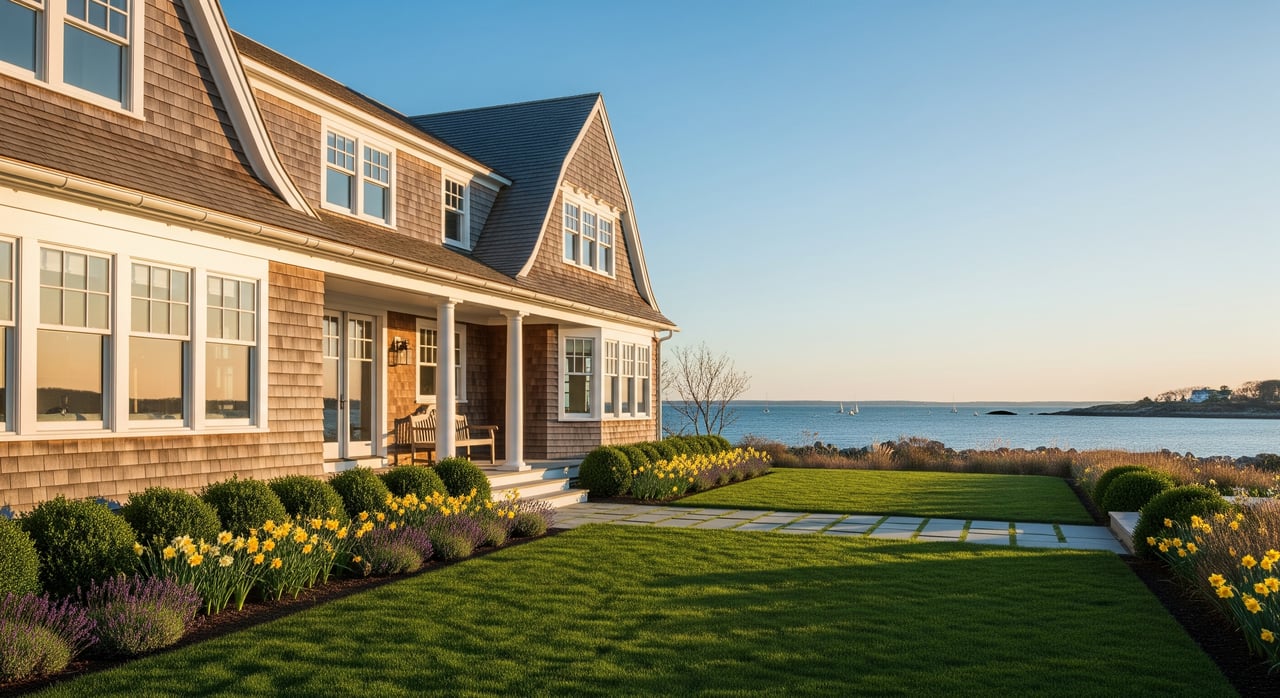
Coastal homes also come with extra expectations. Buyers look for signs of good exterior care, clear flood information, and thoughtful staging that highlights light, views, and outdoor living. New England spring can be variable, so plan for curb appeal even if the lawn is not fully green. Fresh mulch, a clean entry, and a crisp front door finish still deliver a strong first impression.
Your 60–90 day prep plan
Work backward from your target listing date. Prioritize safety and exterior work first, then shift to cosmetics and staging. If you need more buffer for vendors or permits, choose the 90-day option.
Phase A: Days 1–14 — Audit and quick wins
- Book a pre-listing walk-through with your agent or a pre-listing inspector to pinpoint safety, weatherproofing, and visible defects.
- Order long-lead tests if needed, like a radon test. If the property has a septic system, schedule pumping and inspection.
- Reserve high-demand vendors now: roofer, exterior painter, landscaper, chimney sweep, HVAC tech, and a licensed drone photographer.
- Start decluttering, pack nonessential items, and set up a deep-clean schedule.
- Remove rotted plants and prune dead branches. Clear walkways and entry areas.
Phase B: Days 15–45 — Exterior and systems
- Tackle safety and visibility items: repair railings, steps, handrails, and exterior lighting. Address loose siding or missing shingles.
- Service the roof, gutters, flashing, and chimney. Clean gutters and downspouts.
- Power-wash siding, walkways, patios, and the driveway. Remove salt stains.
- Repair decks and porches. Use coastal-grade finishes where possible.
- Service HVAC, test the sump pump, and check the water heater. For oil systems, gather tank records or inspection documentation.
- Address moisture in basements or crawlspaces. Use dehumidifiers and correct any drainage issues that push water toward the foundation.
Phase C: Days 46–60 — Cosmetics and staging prep
- Freshen the front door and trim with paint. Update house numbers and mailbox hardware if worn.
- Make minor kitchen and bath updates: new pulls and knobs, regrout and recaulk where needed, and swap dated lighting.
- Replace broken window screens and clean windows inside and out for maximum light.
- Install or service smoke and CO detectors per Massachusetts recommendations.
- Finish landscaping: new mulch, clean edges, and salt-tolerant seasonal plants.
- Stage patios and decks with simple, weatherproof seating.
Phase D: Days 61–90 — Staging, photography, launch
- Complete final decluttering, then stage key rooms so they are photo-ready.
- Schedule photography to capture exteriors when the property looks its best. Book twilight shots for homes with water views and drone images with a licensed operator.
- Do a final deep clean. Assemble documents buyers will request, such as lead paint disclosures for pre-1978 homes, oil tank records, septic reports, and flood information.
- Go live on the market and coordinate open houses and showings.
Coastal fixes that pay off
- Replace corroded metal hardware with stainless or hot-dipped galvanized options. Check hinges, railings, and gutter fasteners.
- Address peeling paint and loose trim. Salt and sun can speed up paint failure, so fresh exterior touch-ups return value.
- Inspect decks and railings for rot or loose boards. If you make upgrades, choose materials that handle coastal exposure well.
- Confirm roof flashing is intact at roof-wall meeting points and around the chimney to protect against wind-driven rain.
- Tackle musty odors at the source. Buyers notice them fast. Dry out basements, service dehumidifiers, and document remediation steps.
- Review drainage and grading. Make sure water moves away from the house. After winter storms, coastal lots sometimes need spot fixes.
- If you have a seawall or shoreline improvements, compile maintenance records and any permit documentation for buyer review.
Stage for the shoreline
- Keep the palette light and neutral to let views and natural light do the work. Soft grays, sandy beiges, and pale blues read well.
- Choose washable, performance fabrics and slipcovers. Avoid heavy textiles that trap moisture or odors.
- Use low-pile washable rugs. Keep window treatments simple, like sheers or blinds, to showcase light and views.
- Remove thematic decor. A few tasteful coastal touches are fine, but aim for broad appeal.
- Outdoors, keep furniture minimal and weatherproof. Add a couple of hardy planters near entries or on the deck for a cared-for look.
Photography that earns clicks
- Sequence matters. Lead with curb appeal and front entry, then living room, kitchen, and the primary bedroom. Follow with secondary rooms, baths, and utility spaces.
- Highlight what buyers came to see: balcony or porch views, beachfront or harbor shots, and outdoor living areas.
- Time your twilight session about 20 to 30 minutes after sunset for that clear blue hour. For waterfront listings, check tides so you capture the most flattering shoreline. Use NOAA Tides and Currents to plan shoot times.
- Use a licensed drone operator for aerials that show property-to-water relationships, lot lines, and proximity to beaches and town amenities. Review FAA Part 107 rules for commercial operators, and be mindful of airspace near Boston Logan.
Permits, inspections, and disclosures in MA
- Flood zones and insurance: Pull your flood zone from the FEMA Flood Map Service Center, and assemble elevation data and policy history. Buyers will ask.
- Lead paint: Federal law requires disclosure for homes built before 1978. Review the EPA’s lead disclosure guidance and gather any testing records.
- Shoreline work: Many repairs or improvements near the water require Conservation Commission review. Keep copies of permits and recent work orders.
- Building permits: For structural, electrical, plumbing, or major deck work, confirm permit needs with the town before starting. Retain permit and final sign-off records for buyer packets.
- Pre-listing tests: Consider a general pre-listing inspection, radon test, chimney inspection, and pest evaluation if you see signs of issues. Septic systems should be pumped and inspected as applicable.
Quick 60–90 day checklist
- Pre-listing audit
- Schedule agent or pre-listing inspector walk-through
- Order radon test and other long-lead tests
- Locate oil tank records and environmental history if applicable
- Pull recent utility bills and flood or insurance history
- Vendor scheduling
- Book roofer, painter, landscaper, HVAC tech, chimney sweep
- Reserve a licensed drone pilot and real estate photographer
- Schedule professional staging the week before photography
- Exterior and safety
- Repair roof, flashing, gutters
- Fix steps, railings, and exterior lighting
- Power-wash siding, driveway, and walkways
- Check decks, replace corroded hardware
- Clean and repair windows and screens
- Systems and moisture
- Service HVAC and water heater
- Test sump pump and run dehumidifiers
- Investigate any damp or odor issues in the basement or crawlspace
- Cosmetic and staging
- Paint touch-ups on front door and trim
- Update kitchen or bath hardware and lights
- Replace bulbs with daylight-balanced LEDs
- Declutter, depersonalize, deep clean
- Stage key rooms and add hardy outdoor planters
- Photography and launch
- Confirm exterior, interior, twilight, and drone sessions
- Assemble disclosures and records, including lead paint and flood info
- Do a final clean, then go live and coordinate showings
Launch week game plan
- Finish staging no more than 48 hours before photos. Keep surfaces clear and lighting consistent.
- Shoot exteriors after mulch and cleanup are complete. Add fresh doormats and simple planters.
- Publish the listing with an image order that tells a story: curb, entry, main living spaces, bedrooms, baths, outdoor living, then views and aerials.
- Coordinate open houses and private showings for the first weekend to capture early momentum.
Partner with a North Shore advisor
If you want a calm, coordinated path to market, we can help you stack the dominoes: pre-listing consult, vendor scheduling, staging, document prep, and a launch plan that fits your timeline. For hands-on guidance and a local strategy tailored to Swampscott, connect with Tyson Lynch | Property Advisors.
FAQs
When is the best month to list a Swampscott home in spring?
- Buyer activity typically rises from late February through spring, with strong momentum March through May. Listing in late February to April helps capture early demand.
How do I answer flood zone questions for a coastal Swampscott property?
- Pull your designation from the FEMA Flood Map Service Center, then share elevation data, policy details, and any past claims with buyers.
Do I need permits for deck repairs or seawall work in Swampscott?
- Many structural and shoreline projects require permits or Conservation Commission review. Confirm requirements with the town before starting and keep your final approvals.
Should I schedule drone photos near Boston’s airspace?
- Yes, but use a licensed Part 107 operator who understands local airspace limits around Logan. Review FAA commercial rules and plan flights accordingly.
Which pre-listing inspections are most useful in Essex County?
- A general pre-listing inspection is helpful, along with radon testing, chimney inspection, septic evaluation if applicable, and a pest check if you see signs of activity.
How do I stage if my lawn has not greened up yet?
- Focus on what you can control: power-wash hardscapes, add fresh mulch, paint the front door, use tidy planters, and keep outdoor furniture clean and simple.