Wondering if you can make Peabody’s housing costs work harder for you? If you want to buy a home and offset the monthly payment with rental income, house hacking can be a practical path, especially in a market where home values and monthly costs are still high. In this guide, you’ll learn which Peabody property types tend to fit best, what numbers to study, and which local and Massachusetts rules deserve a closer look before you buy. Let’s dive in.
Why house hacking can work in Peabody
Peabody offers a mix that makes many buyers take a serious look at live-in landlord strategies. Census data shows a 65.6% owner-occupied housing rate, a median owner-occupied home value of $596,200, and median monthly owner costs with a mortgage of $2,586. That same source reports median gross rent of $1,950.
Current asking rents can be even higher than older occupied-rent data suggests. Recent apartment market guidance places average Peabody rents around $2,230 for a one-bedroom, $2,867 for a two-bedroom, and $3,468 for a three-bedroom. That gap matters because even one leased unit or a well-planned room-rental setup may help reduce your monthly carrying costs.
Best property types in Peabody
Two-family homes
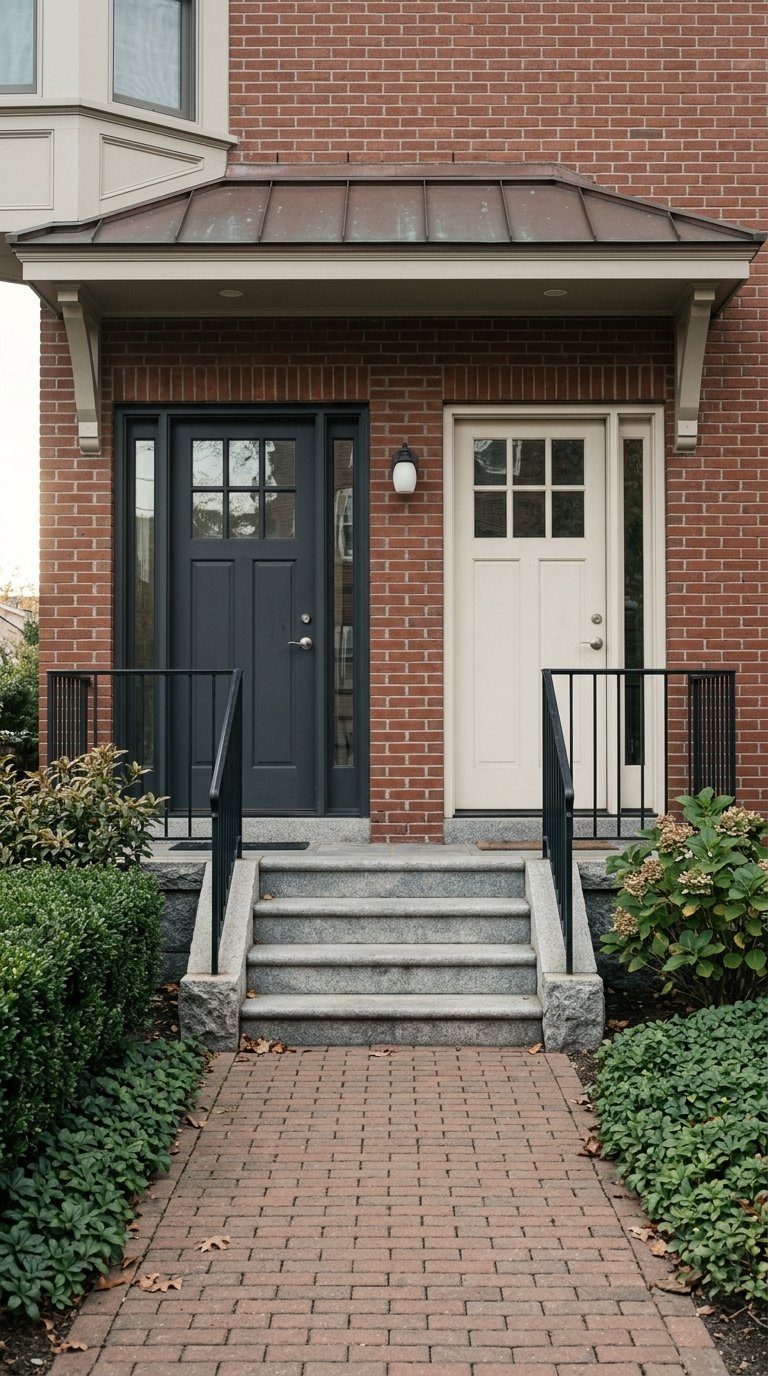
For many buyers, an existing two-family is the clearest house-hack option in Peabody. You live in one unit and rent the other, which keeps the setup relatively simple compared with larger properties or conversion projects.
Peabody’s zoning framework supports this type of housing. The city includes an R-2 Single- and Two-Family Residence district, and the zoning ordinance notes that individual single-family and two-family homes are exempt from site plan review unless they are part of a project involving three or more dwelling units.
Three-family homes
A three-family can create stronger rent offset if the property, financing, and your budget all line up. In many cases, two rented units can make a bigger difference in monthly cash flow than a duplex, but the purchase price, down payment, reserves, and management needs may also be higher.
Peabody’s housing stock includes a meaningful number of small multifamily properties. A city housing production plan table counted 876 two-unit properties and 281 three-unit properties, which shows these building types are already part of the local market.
Single-family homes with an ADU
A single-family home with an accessory dwelling unit may also be worth watching. Massachusetts now allows ADUs by right statewide in single-family zoning districts, and the state says an ADU can be under 900 square feet, have a separate entrance, and cannot be subject to a special permit or other discretionary zoning approval.
There is an important Peabody-specific nuance here. The city’s older family accessory living area rule is not the same as the new statewide ADU framework. Peabody’s older provision is intended for family members and temporary housing, not permanent housing or rental, and it requires owner occupancy and annual certification.
Room rentals
Room rentals can be another version of house hacking, but they are more fact-specific. Peabody’s use table lists renting rooms to not more than five persons in some districts, so this is not something to assume works everywhere.
If you are considering a room-rental plan, it is smart to verify the zoning and layout before you get too far. A property that looks flexible on paper may still raise practical issues around parking, utilities, privacy, or lease structure.
How to estimate the numbers conservatively
House hacking works best when your math is realistic, not optimistic. Start with live rental comps for the actual unit type, size, and condition rather than leaning on one citywide average.
That matters in Peabody because the rent figures can vary a lot depending on the source. Census QuickFacts shows median gross rent at $1,950, while current apartment guidance points to notably higher asking rents for many unit types. Older occupied rents and current asking rents are not the same thing.
Key costs to include
When you run the numbers, make room for more than principal and interest. A clean estimate should include:
- Property taxes
- Insurance
- Utilities
- Maintenance and repairs
- Vacancy
- Leasing or broker costs if applicable
Property taxes are a major fixed cost in Peabody. The FY2026 residential tax rate is listed at $9.26 per $1,000 of assessed value, which works out to about $5,521 per year, or roughly $460 per month, on the Census median owner-occupied value of $596,200 before exemptions or adjustments.
Utilities deserve special attention in a live-in landlord setup. Massachusetts guidance says utility costs should be considered when determining what a unit can realistically carry, and your lease should clearly state who is responsible for each service.
How lenders may view projected rent
Yes, rent can often help you qualify, but lenders do not usually use your best-case estimate. They typically want documentation and a supportable market-rent story.
Fannie Mae guidance says lenders may request leases, market-rent forms such as Form 1007 or 1025, or tax returns, depending on the property and borrower scenario. Market-rent figures used for qualifying are commonly adjusted to 75% of gross monthly rent to account for vacancy and maintenance.
That means conservative underwriting can save you headaches. If a unit might rent for one number in a strong scenario but a lower number in a more normal scenario, planning around the lower supportable figure is usually the safer move.
FHA and conventional options
FHA financing can be attractive for first-time buyers pursuing house hacking. HUD says FHA loans are available on one- to four-unit properties and may require as little as 3.5% down if you qualify and plan to occupy the home.
Conventional financing can work too, but the rules become more specific depending on the property type and loan structure. For example, Fannie Mae guidance states that for certain two- to four-unit HomeReady loans above 80% loan-to-value, the borrower must contribute at least 5% of the funds from their own resources before credits are applied.
Before you start touring multifamily homes, ask the lender three direct questions:
- How will projected rent be counted for qualification?
- What documents will be required?
- Should I search within one-unit, two-unit, or three-unit financing parameters?
Local rules and legal details to check early
One of the biggest mistakes in house hacking is assuming a space is a legal rental unit because it has a separate entrance, a finished basement, or an in-law layout. In Peabody, legal unit count and zoning fit should be confirmed early, especially if you are considering changes after closing.
The city’s zoning ordinance says site plan review is triggered for residential projects involving three or more dwelling units. For many buyers, that makes existing two-families and three-families more straightforward than larger conversion ideas.
Security deposits in Massachusetts
Massachusetts has strict security-deposit rules for landlords. A landlord may collect no more than one month’s rent as a security deposit, must hold it in a separate interest-bearing account in a Massachusetts bank, and must provide the tenant a receipt and required written information.
The state also requires a Statement of Condition at move-in. If you plan to become a live-in landlord, this is an area where process matters.
Lead paint in older housing
Lead paint is another major issue, especially in older properties. Massachusetts says owners of pre-1978 rental housing have lead-law disclosure obligations, and owners cannot avoid that responsibility by contract.
If a child under six lives in the rental unit, lead compliance can become a meaningful budget item. For buyers looking at older Peabody homes, this should be part of the due-diligence conversation, not an afterthought.
Broker and leasing costs
If you plan to hire help with leasing, ask upfront who handles marketing, applications, screening, lease drafting, maintenance calls, and rent collection. Those services affect both your budget and your day-to-day involvement.
Massachusetts now says brokers’ fees for rental units must be paid by the party who hired the broker. If you hire the broker, you should account for that cost in your house-hack plan.
A practical house-hack checklist
Before you write an offer, it helps to pressure-test the plan from every angle. Focus on the basics first:
- Verify the legal unit count and current use
- Review zoning district and any project review triggers
- Pull live rental comps for similar units
- Estimate taxes, insurance, utilities, maintenance, and vacancy
- Ask your lender how rent will be treated for qualification
- Review security-deposit and lease requirements
- Check for lead-related risk in pre-1978 properties
- Decide whether you will self-manage or hire help
A good house hack is not just about buying the right building. It is about buying the right building with a plan that still works on paper after realistic costs and compliance steps are included.
Why guidance matters in a Peabody multifamily search
House hacking can be a smart way to enter the market, but the best opportunities are rarely just about list price. You need to understand how a property is classified, how the lender may underwrite rent, what the city allows, and where the hidden costs may sit.
That is where calm, detailed guidance can make a real difference. In Peabody and across the North Shore, multifamily and live-in landlord purchases benefit from clear due diligence, disciplined valuation, and strong transaction management from the start.
If you are thinking about buying a duplex, three-family, or single-family with ADU potential in Peabody, Tyson Lynch | Property Advisors can help you evaluate the numbers, the zoning picture, and the purchase strategy with a clear plan.
FAQs
What is the easiest property type for house hacking in Peabody?
- In most cases, an existing two-family or three-family is the most straightforward option because the property already fits the live-in landlord model and aligns with Peabody’s small multifamily housing stock.
Can you use FHA financing for a Peabody house hack?
- Yes. HUD says FHA loans are available for one- to four-unit properties, and qualified buyers may be able to purchase with as little as 3.5% down if they will live in the home.
Can rental income help you qualify for a Peabody multifamily purchase?
- Often yes, but the lender will usually require documentation such as leases, market-rent forms, or tax returns, and qualifying rent may be adjusted below gross projected rent.
Can you convert a single-family home into a rental suite in Peabody?
- Possibly, but you need to distinguish between the newer statewide ADU law and Peabody’s older family accessory living area rule, which was intended for family and temporary housing rather than general rental use.
What is a common house-hacking mistake in Peabody?
- A common mistake is assuming a basement, in-law, or separate-entry space is automatically a legal rental unit while underestimating taxes, lead compliance, utilities, and lease administration costs.