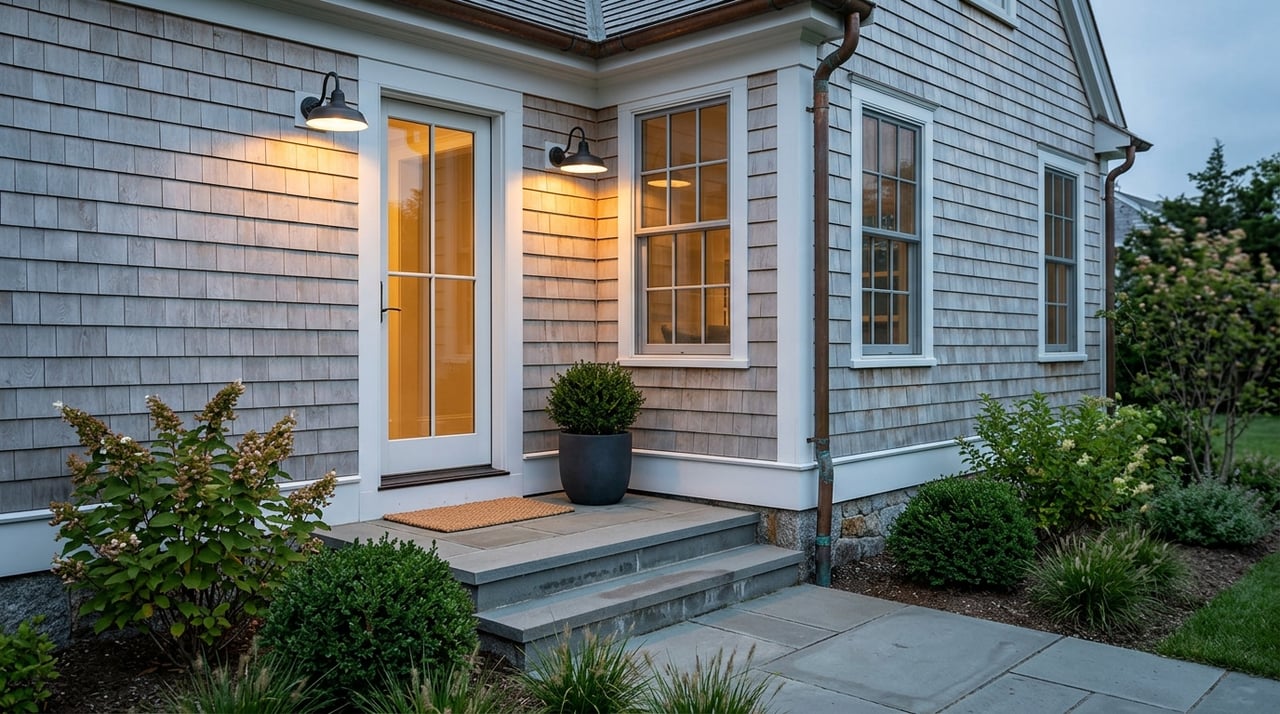
Thinking about a second home in Gloucester? It is easy to picture beach days, harbor views, and weekends on Cape Ann, but the smartest purchase decisions usually come down to the details you do not see in the listing photos. If you are weighing lifestyle, costs, flood exposure, or possible rental use, this guide will help you focus on the practical questions that matter most before you buy. Let’s dive in.
Why Gloucester draws second-home buyers
Gloucester sits about 35 miles north of Boston on Cape Ann and offers a mix of beaches, a working waterfront, and distinct coastal neighborhoods. That combination gives you more than one version of a second-home lifestyle.
You might want a beach-centered getaway, a quiet village feel, walkable access to restaurants and shops, or a home base for boating. Gloucester can offer each of those, but the fit depends on where you buy and how you plan to use the property.
Seasonality is also part of the appeal. Summer is the busiest season, while winter is generally quieter, which can be a plus if you want a more relaxed off-season retreat.
Start with your real use case
Before you narrow neighborhoods, define how you will actually use the home. A second home that works well for long weekends may be very different from one that needs to support boating, beach access, future renovations, or occasional rental income.
A clear plan can help you avoid buying the right-looking house in the wrong setting. In Gloucester, a strong purchase often starts with matching your routine to local access, rules, and carrying costs.
Questions to answer early
- Will you use the home mostly in summer, year-round, or only on occasional weekends?
- Do you want beach access, harbor access, or a walkable downtown setting?
- Are you considering any rental use, even seasonally?
- Would you want to make improvements later, especially on a coastal parcel?
- Are you comfortable with the added insurance and maintenance questions that can come with a near-water property?
Gloucester areas offer different lifestyles
Gloucester is best understood as several second-home markets within one city. Each area offers a different rhythm, which is why location matters just as much as the house itself.
East Gloucester and Rocky Neck
East Gloucester and Rocky Neck appeal to buyers who want an arts-and-waterfront setting. The area is tied to the Rocky Neck Art Colony, and it also puts you near Good Harbor Beach and Eastern Point Lighthouse.
If your ideal second home includes harbor views and easy access to some of Gloucester’s best-known coastal features, this area may feel like a natural fit. It can suit buyers who want a lively seasonal environment with strong visual character.
Magnolia
Magnolia offers a quieter coastal village feel. The city describes it with seaside streets, historic homes, pine forests, rocky shoreline, and Hammond Castle Museum overlooking the Atlantic.
For some second-home buyers, that lower-key setting is the point. If you want a retreat that feels tucked away and calm, Magnolia may be worth a closer look.
Annisquam
Annisquam has a strong boat-and-river orientation. It is associated with the Annisquam Harbor Lighthouse and nearby conserved land and trails.
If boating matters to you, this area can be especially appealing, but it also comes with practical rules to understand. The Annisquam River, its tributaries, and the Inner Harbor are headway-speed and no-wake areas, so access and use should be part of your planning.
Downtown and Harbor Loop
Downtown and Harbor Loop are the most walkable options for buyers who want restaurants, shops, and waterfront access close together. HarborWalk runs through the downtown and working waterfront area, and the city identifies downtown and Harbor Loop as especially walkable.
If your second home is meant to be a lock-and-leave coastal base with easy access to activity, this area may offer the most convenience. It can be a strong choice if you care less about a large lot and more about being in the middle of things.
Seasonal access matters more than buyers expect
In Gloucester, access is not always automatic. Beach parking, boating logistics, and peak-season demand can shape how easy your second-home lifestyle feels once you own the property.
Resident beach stickers allow parking at Good Harbor Beach, Wingaersheek Beach, and Stage Fort Park. Nonresident reservations are required from Memorial Day weekend through Labor Day, which is important if your household or guests may not qualify for resident access.
For boaters, Gloucester rents 30 transient and visitor moorings, and launch service operates daily with seasonal hours. The city also maintains a mooring wait list because demand is high, so if boating access is central to your plan, it makes sense to confirm those details early.
Understand financing before you shop
Second-home financing is not always as flexible as buyers assume. The property type and how you intend to use the home can affect both loan options and underwriting.
Conventional second-home financing is generally built around one-unit properties. Current agency guidance shows up to 90.01% maximum loan-to-value for a one-unit second home through Fannie Mae, while Freddie Mac treats a two-unit property used as a second home as an investment property.
That distinction matters if you are comparing a single-family home to a multi-unit property. Freddie Mac also states that rental income from a second home may not be used as stable monthly income, so you should not assume future seasonal income will strengthen your loan file.
Plan for the true carrying costs
The purchase price is only part of the equation. In Gloucester, second-home buyers should pay close attention to annual tax costs, insurance questions, and seasonal upkeep.
Gloucester’s FY2026 residential tax rate is $9.31 per $1,000 of assessed value. The city’s FY2026 average single-family dwelling assessment is $1,020,656, which works out to about $9,502 in annual property taxes before exemptions or special assessments. Real estate taxes are billed quarterly.
For many buyers, that is a helpful baseline for budgeting. A second home can be a lifestyle purchase, but it still needs to work on paper, especially if you are also planning for maintenance, utilities, and water-related insurance costs.
Check flood status early
Flood exposure should be one of your first due-diligence steps, not something you review at the end. In a coastal market like Gloucester, flood status can affect insurance requirements, renovation plans, and your comfort level as an owner.
FEMA states that National Flood Insurance Program requirements apply in Special Flood Hazard Areas shown on Flood Insurance Rate Maps, and FEMA’s Flood Map Service Center is the official source for flood-hazard information. If a home is near the water, confirm the flood map position early and ask detailed insurance questions before you get too far into the process.
If you are thinking ahead to updates or additions, Gloucester’s floodplain permit application states that work may not begin in designated floodplain areas until a floodplain development permit is issued. A permit may be required if any part of a lot is within the floodplain overlay zone.
Know the rental rules before you buy
Many second-home buyers like to keep rental use as an option, even if they do not plan to rent right away. In Gloucester, that is an area where you should get clear on the rules before closing.
The city’s short-term rental guidance says short-term rentals are governed by ordinance Section 5-63, defines a short-term rental as a property rented for 30 days or less, and requires registration through the online permitting system. City materials also state that an owner may register only one dwelling unit as a short-term rental.
Gloucester’s July 2025 rental-registration FAQ says anyone who receives and reports income from any residential rental property in Gloucester must register. That includes long-term, short-term, seasonal, in-law, room rentals, apartments, accessory dwelling units, and vacation rentals.
If you do not collect rental income, no action is required. If registration is required and not completed, the city says a $500-per-day fine can apply starting August 1, 2025.
Other rental-related items to expect
- Short-term rentals may be subject to the room occupancy excise and any city community impact surcharge Gloucester adopts
- Massachusetts allows cities and towns to charge a local room occupancy excise of up to 6%
- Gloucester’s STR guidance includes smoke and carbon monoxide detector requirements, egress standards, sanitation requirements, and an information binder with local contact, parking, and trash details
A smart Gloucester second-home strategy
The best second-home purchase in Gloucester usually comes from balancing the dream with the logistics. You want the home to fit how you live, not just how the property looks in July.
That means comparing neighborhoods with clear eyes, confirming flood and insurance questions early, and understanding whether financing or rental rules could change your plans. It also means building a budget around real carrying costs, not just the purchase price.
With the right due diligence, Gloucester can offer a second home that feels both personal and practical. If you want expert guidance on North Shore waterfront, village, and downtown markets, connect with Tyson Lynch | Property Advisors for a consultation.
FAQs
What should you check first when buying a second home in Gloucester?
- Start with how you plan to use the property, then confirm flood status, carrying costs, seasonal access, and any rental rules that may apply.
Which Gloucester areas fit different second-home lifestyles?
- East Gloucester and Rocky Neck suit buyers who want an arts-and-waterfront setting, Magnolia offers a quieter village feel, Annisquam appeals to boat-oriented buyers, and Downtown or Harbor Loop fit buyers who want walkability and waterfront access close together.
Do Gloucester beach access rules matter for second-home buyers?
- Yes. Resident beach stickers help with parking at Good Harbor Beach, Wingaersheek Beach, and Stage Fort Park, while nonresident reservations are required from Memorial Day weekend through Labor Day.
Can you use rental income to qualify for a Gloucester second home loan?
- You should not assume that you can, because Freddie Mac states that rental income from a second home may not be used as stable monthly income.
Are there Gloucester rules for renting out a second home?
- Yes. Gloucester requires registration for short-term rentals and, according to the city’s rental-registration FAQ, registration is also required for residential rental property when you receive and report rental income.
Why is flood due diligence so important for Gloucester second homes?
- Flood status can affect insurance requirements, ownership costs, and whether permits may be needed for future work on the property.