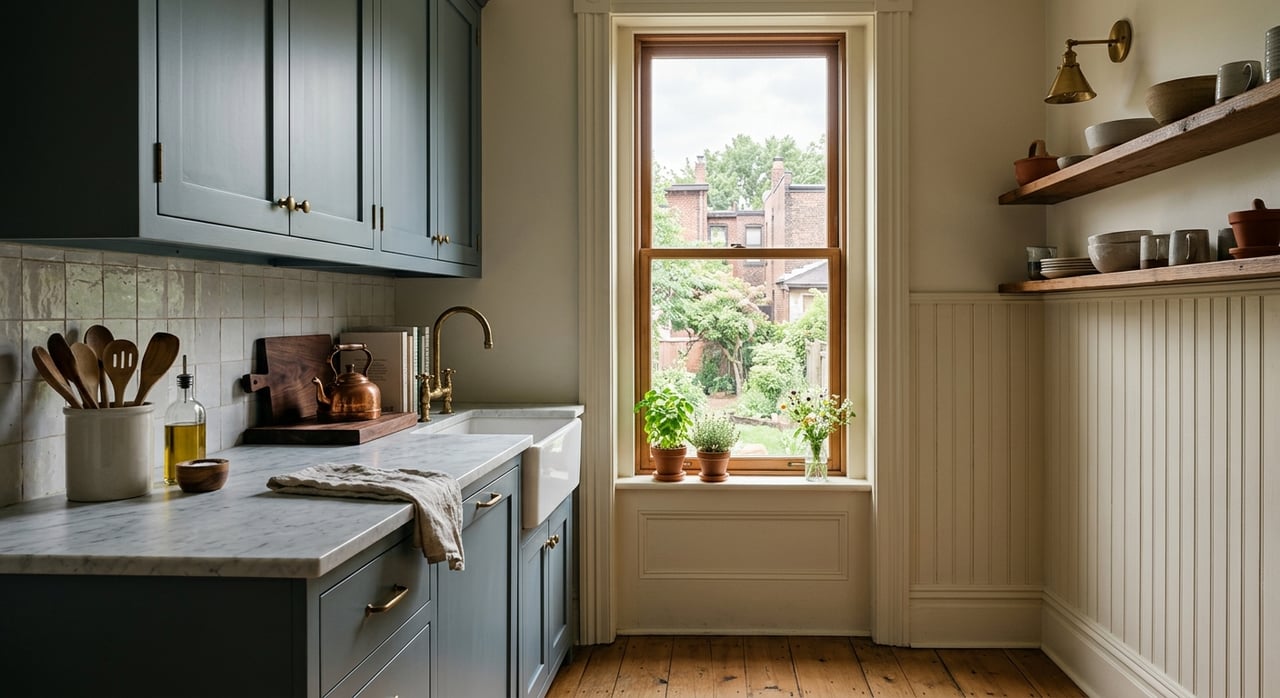
Wondering whether to update your Gloucester home before selling or put it on the market as-is? You are not alone. In a city with older housing stock, coastal wear, and a still-competitive market, the right answer depends less on trends and more on what buyers, inspectors, and lenders are likely to notice right away. This guide will help you sort cosmetic issues from true deal friction so you can make a smart, confident decision before you list. Let’s dive in.
Gloucester market conditions matter
Gloucester remains a relatively tight market by current standards. According to the Massachusetts Association of Realtors February 2026 Gloucester report, single-family inventory was 1.4 months, with 16 homes for sale, a median sale price of $790,000, and sellers receiving 94.9% of original list price year-to-date.
That said, a tight market does not mean every home should skip preparation. The same local context also shows why buyers can still be selective. Gloucester’s Housing Needs Assessment notes that much of the city’s housing stock was built before 1940, with another sizable share built before 1980, and that limited land for new construction keeps supply constrained.
Older homes can absolutely sell well in Gloucester. But age often puts more attention on maintenance, deferred repairs, and the condition of core systems. In other words, buyers may accept dated finishes more easily than unresolved property issues.
Why buyers may scrutinize condition
Condition matters because many buyers are balancing high costs with limited room in their budget after purchase. Gloucester’s Housing Needs Assessment estimates that buying a median-priced single-family home may require about $183,000 in annual income and roughly $143,000 in savings for a 20% down payment.
That helps explain why buyers can be price-sensitive, even in a market with low inventory. If a buyer has already stretched to afford the purchase, they may be less eager to take on immediate repairs after closing.
National data points in the same direction. The 2025 NAR Remodeling Impact Report found that 46% of buyers are less willing to compromise on condition. REALTORS also most often recommended painting and roof replacement before listing, and they reported increased demand for kitchen upgrades, new roofing, and bathroom renovations.
Renovate before listing when repairs affect financing
If your home has issues tied to safety, soundness, or structural integrity, renovating before listing is often the better path. That is especially true when the work could affect a buyer’s financing, appraisal, or inspection results.
According to Fannie Mae’s property condition guidance, appraisals must reflect adverse conditions, needed repairs, deterioration, and deferred maintenance. Problems such as water seepage, active roof leaks, foundation settlement, inadequate electrical service, or certain unpermitted additions can affect value and marketability.
In practical terms, these issues can shrink your buyer pool. Even if someone loves the location or layout, they may not be able to move forward smoothly if the home raises lender concerns.
For many Gloucester sellers, this is the clearest line in the sand. If a repair removes financing friction, protects value, or reduces the chance of a failed deal, it is usually money well spent.
List as-is when the work is mostly cosmetic
Listing as-is can make sense when the home is fundamentally sound and the needed work is mostly visual. Fannie Mae notes that many minor issues may still qualify for an as-is appraisal if they do not affect safety, soundness, or structural integrity.
Examples can include worn floor finishes, minor plumbing leaks, missing handrails, cracked window glass, and holes in window screens, according to Fannie Mae. That does not mean these items are ideal to leave untouched, but it does mean they do not always require a full pre-listing renovation strategy.
This distinction is especially important in Gloucester. A dated older home is not automatically a troubled property. Well-maintained homes can still be marketable as-is, even if the kitchen is older or the finishes are not current.
If your top priority is speed, simplicity, or preserving cash, listing as-is may be the right move. The key is to price the home based on its real condition, not on the value it might have after a future remodel.
Focus on repairs buyers notice first
When sellers do choose to make improvements, the smartest strategy is usually selective, not expansive. Start with the items a buyer, inspector, or appraiser will notice immediately.
In Gloucester, that often means exterior and envelope-related issues deserve extra attention. The city’s older housing stock and coastal setting can make buyers more alert to roof condition, siding wear, moisture concerns, and signs of deferred maintenance. That aligns with Gloucester’s housing profile and with Fannie Mae’s emphasis on roof, water, and structural issues in property evaluations.
If your home shows well from the street and feels cared for when someone walks in, you may avoid the impression that larger hidden problems are waiting underneath. That first impression can shape the entire showing.
Where renovation dollars often go furthest
If you are going to spend money before listing, aim for updates that improve presentation and reduce objections without over-customizing the home. Nationally, the strongest resale performers in the 2025 Cost vs. Value report from Zonda were largely exterior replacement projects.
Zonda reported especially strong returns for garage door replacement, steel door replacement, manufactured stone veneer, fiber-cement siding replacement, and minor kitchen remodels. The report also notes that 8 of the top 10 projects were exterior replacements, while larger interior remodels tend to be more subjective and often make more sense for owners planning to stay longer.
For resale, that gives sellers a useful filter. Modest curb-appeal improvements and practical kitchen refreshes are often easier to justify than a full gut renovation.
Renovations that may be worth it
If your goal is to improve saleability without taking on a major project, these types of updates are often easier to defend:
- Painting walls or heavily worn rooms
- Addressing roof-related concerns
- Repairing visible siding or exterior deterioration
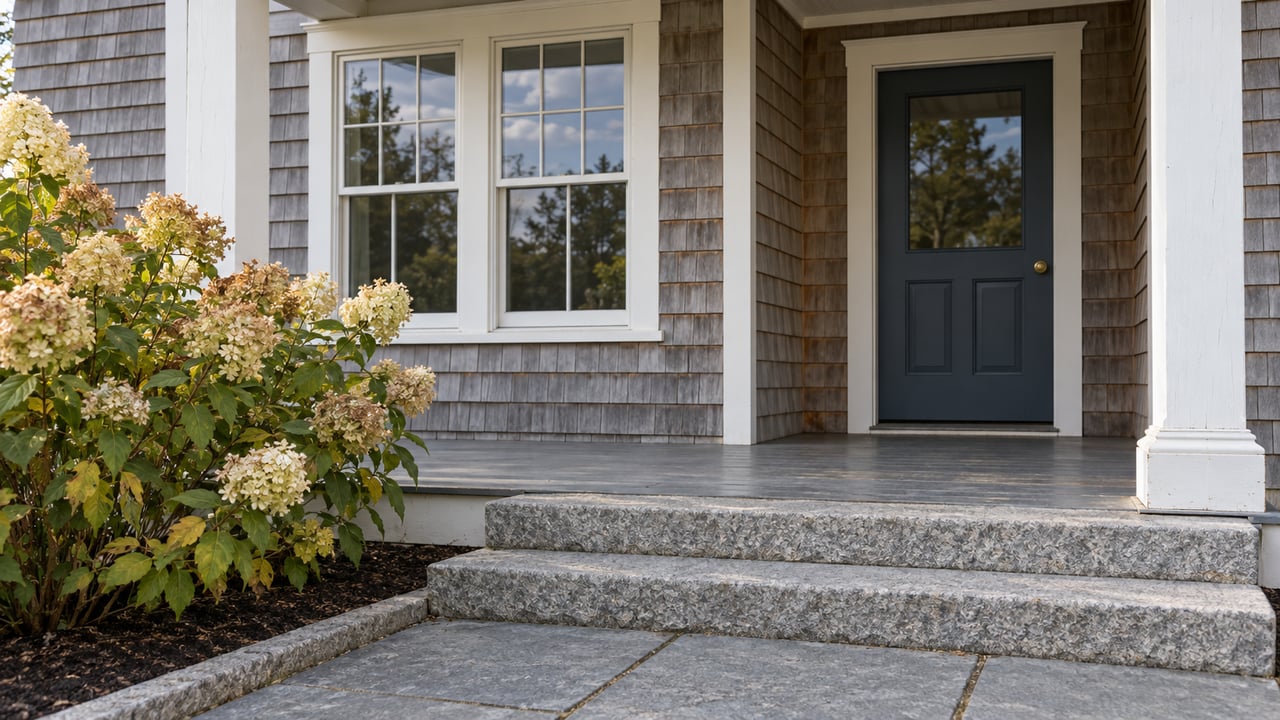
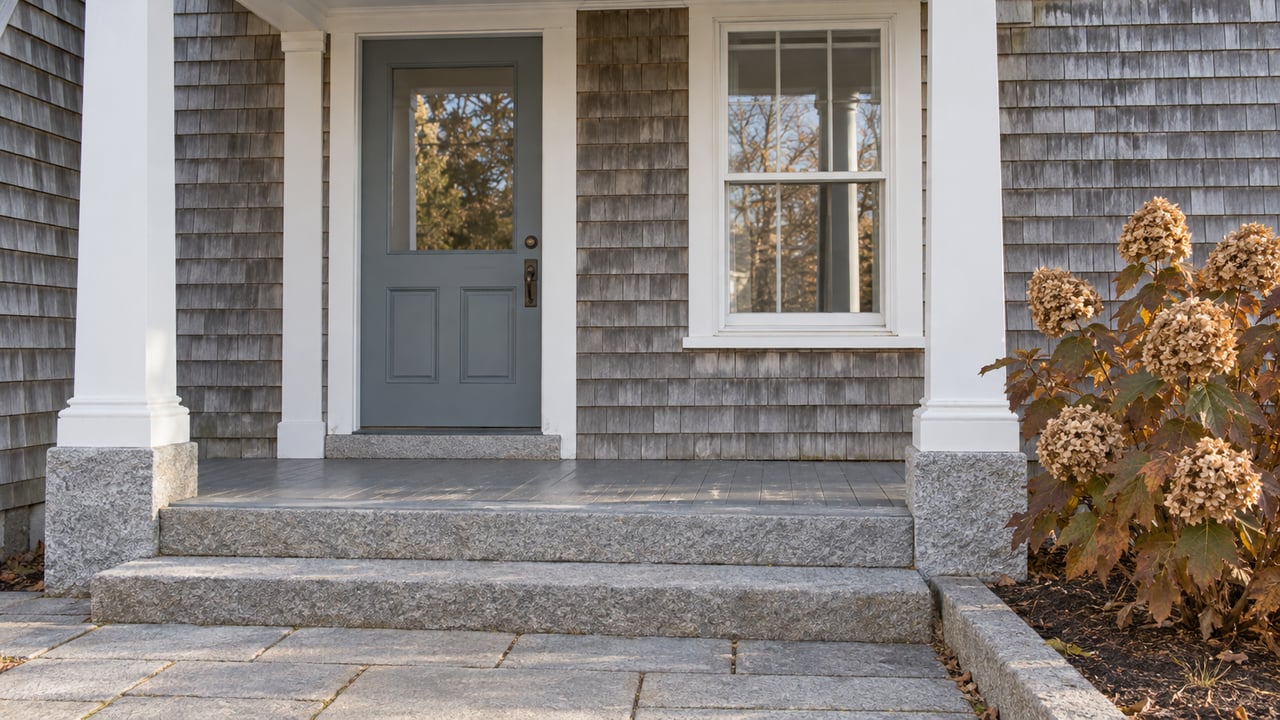
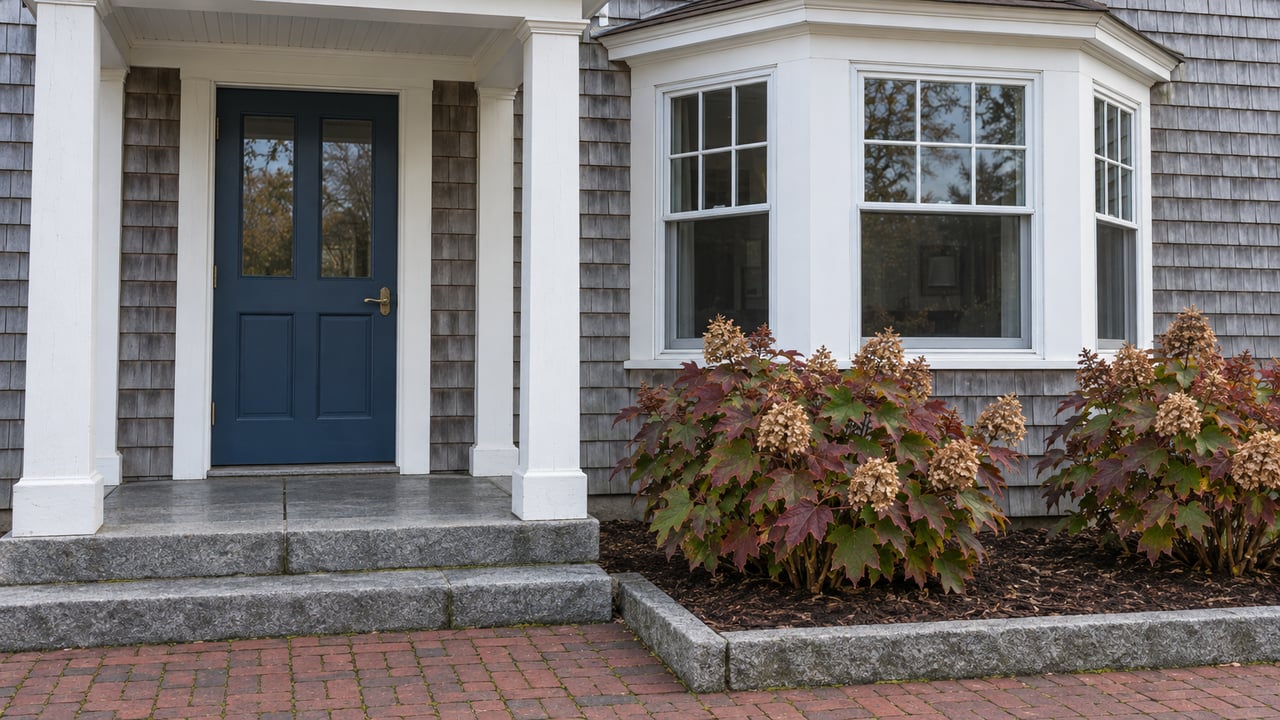
- Improving entry appeal with doors or exterior hardware
- Completing a minor kitchen refresh instead of a full remodel
- Fixing obvious deferred maintenance before buyers see it
The NAR Remodeling Impact Report supports painting and roof work as common pre-list recommendations. The Zonda report supports exterior-focused projects and smaller-scale kitchen updates when resale is the goal.
Renovations to approach carefully
Some projects can cost a lot without clearly improving your outcome. This is often true when the update is highly personal, expensive, or difficult to recover in your price range.
Be cautious with:
- Full kitchen gut jobs unless local comparable sales clearly support it
- Luxury finish upgrades chosen for personal taste
- Major interior remodels done only to chase an uncertain price jump
- Projects that create delays without removing a known deal obstacle
Zonda specifically notes that larger interior remodels are more subjective. If you are selling soon, you usually want broad appeal and fewer buyer objections, not a long list of premium finishes that may not match what the next owner would have chosen.
A simple Gloucester seller decision framework
If you are unsure which direction to take, use this quick framework.
Renovate before listing if:
- The issue may affect financing or appraisal
- The problem touches safety, soundness, or structural integrity
- Buyers will likely see it as immediate deferred maintenance
- The work improves marketability without over-improving the home
Consider listing as-is if:
- The home is structurally sound and functional
- Most needed work is cosmetic
- You want to preserve cash or move quickly
- You are prepared to price based on present condition
Pause before spending if:
- The project is highly customized
- Comparable sales do not support the added cost
- The work will delay your launch without solving a real objection
This kind of decision is where local judgment matters. In Gloucester, a home can have charm, age, and even dated finishes without needing a full pre-sale overhaul. But if the property shows signs of roof, water, electrical, or structural concerns, buyers and lenders may react very differently.
The best strategy is usually balanced
For most Gloucester sellers, the answer is not “renovate everything” or “do nothing.” It is to make the home easier to buy. That often means fixing what creates friction, cleaning up what buyers notice first, and skipping expensive upgrades that do not clearly improve your net result.
A calm, strategic plan can help you avoid over-spending while still protecting value. With the right guidance, you can decide what to repair, what to leave alone, and how to position the home based on its true condition in today’s market.
If you are weighing updates against an as-is sale, Tyson Lynch | Property Advisors can help you build a clear listing strategy with local market insight, vendor coordination, and practical guidance tailored to your goals.
FAQs
Should you renovate an older Gloucester home before selling?
- Not always. If the home is well maintained and the issues are mostly cosmetic, listing as-is may make sense. If the home has roof, water, electrical, or structural concerns, repairs before listing are often the smarter move.
What repairs matter most before listing a Gloucester home?
- Repairs that affect safety, soundness, structural integrity, financing, or appraisal usually matter most. In Gloucester, exterior maintenance, roof issues, and moisture-related concerns can carry extra weight.
Can you sell a Gloucester home as-is and still attract buyers?
- Yes. A home can often sell as-is if it is functional, priced appropriately, and the needed work is mostly cosmetic rather than a major repair issue.
Do cosmetic updates help sell a Gloucester home faster?
- They can. Painting, small kitchen refreshes, and curb-appeal improvements may help buyers connect with the home and reduce objections without requiring a major renovation budget.
How should you price a Gloucester home that needs work?
- Price it based on its current condition, not on what it could be worth after a future remodel. Buyers typically account for repair costs, inconvenience, and risk when comparing homes.