Beverly's Historic Homes: Love at First Sight? Not So Fast!
Beverly, Massachusetts, boasts some of the North Shore's most treasured historic homes. Picture grand Gilded Age estates in Beverly Farms, or charming Federal and Greek Revival gems nestled in the historic downtown. Wander through older neighborhoods, and you'll find yourself captivated by the intricate details of Queen Anne Victorians. Many buyers fall head-over-heels for these beauties, but are they truly prepared for what comes with owning a piece of history?
As a seasoned real estate agent and licensed attorney in Massachusetts, I've seen firsthand that historic homes in Beverly and across the North Shore offer a unique blend of allure and challenge. These homes, brimming with character, demand a closer look than your average property. Without the right guidance, the dream you envision during a showing can quickly turn into a complex reality by closing day.
Beverly Farms vs. Beverly Proper: A Tale of Two Historic Worlds
First things first: when we talk about "historic homes in Beverly," we're actually talking about two distinct markets, each with its own story.
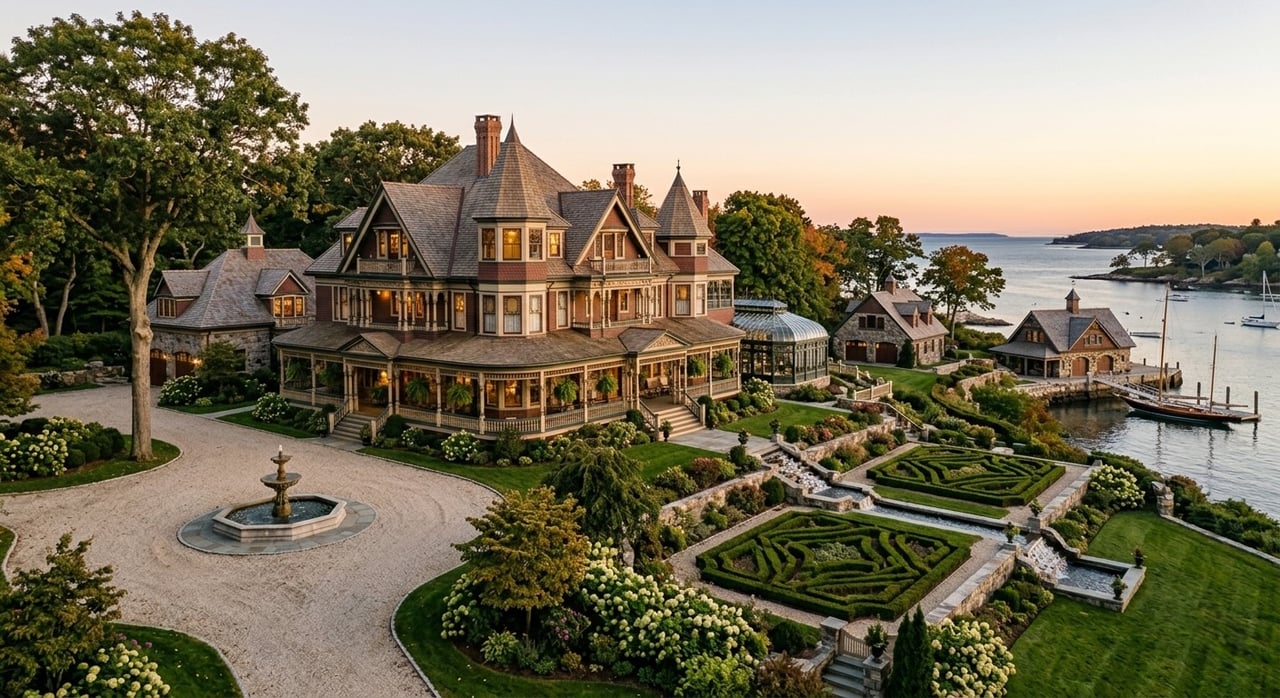
Beverly Farms & Prides Crossing: Imagine escaping to the North Shore in the late 1800s. Wealthy Boston families did just that, and many of their magnificent summer retreats still stand today. These are sprawling estates, often featuring breathtaking ocean views, charming old carriage houses, exquisite original woodwork, and vast grounds that require dedicated care. The buyers for these properties are a special breed, seeking not just a home, but a legacy. This isn't the place for a bargain hunter; these are significant properties with price tags to match.
Beverly Proper: Venture into the heart of Beverly, including the vibrant downtown and surrounding historic neighborhoods, and you'll discover a different kind of historic charm. Here, you'll find homes echoing the elegance of the Federal era, the grandeur of Greek Revivals, and the intricate beauty of Victorians and Colonial Revivals. While undeniably historic and architecturally significant, these homes generally offer a more accessible entry point compared to their Beverly Farms counterparts. Buyers here are often drawn to the architectural character, the convenience of downtown living, easy commuter train access, and a palpable sense of community.
No matter which chapter of Beverly's history calls to you, the approach to buying remains the same. The price tag might differ, but your due diligence should be equally thorough.
What Does "Historic" Really Mean in Massachusetts?
Let's clear something up: not every old house is officially a protected historic property. The term "historic" is often tossed around loosely in listings. Before you get swept away by a charming facade, you *must* uncover if the property carries any official historic designation and, crucially, what rules come with it.
Local Historic District (Chapter 40C): Beverly has designated historic districts, and if your dream home sits within one, prepare for a more structured renovation process. Any exterior changes visible from a public street – think new windows, siding updates, additions, or even roofline alterations – require formal approval from the Beverly Historic District Commission. While interior work is generally unrestricted, exterior modifications that would be standard elsewhere need a green light from the Commission. It’s a process, but it preserves the neighborhood's character.
National Register of Historic Places: A listing on the National Register certainly adds prestige, but it doesn't impose the same local restrictions as a Chapter 40C designation. Federal rules primarily kick in if federal funding or permits are involved. For a typical homebuyer, being on the Register alone won't prevent you from making changes. However, it can be a key factor in qualifying for certain state and federal tax credits if you plan a significant, qualified renovation.
Massachusetts Historic Tax Credits: The Massachusetts Historic Rehabilitation Tax Credit (MHRTC) can be a fantastic incentive, potentially covering up to 20% of qualified renovation costs. But here's the catch: it's designed for income-producing properties, not primary residences. If you're buying a historic home in Beverly to live in, this credit won't apply to your personal renovation expenses. If you're an investor or considering a multi-unit conversion, definitely consult a tax professional. For most homeowners, it's best not to factor this into your immediate renovation budget.
The bottom line: understand the property's designation *before* you fall too hard for the price. A renovation that seems manageable for a standard home could become a much more complex and costly undertaking for a property within a local historic district.
Beyond the Standard Inspection: What Your Historic Home Really Needs
In Massachusetts, as of October 15, 2025, sellers can no longer accept an offer that requires buyers to waive their right to a home inspection. They also can't create roadblocks that make a meaningful inspection impossible, like restricting scheduling or preventing buyers from acting on the findings. While buyers can still choose to forgo an inspection after an offer is accepted, they can't be forced to give up this crucial right upfront. This inspection is your golden ticket to truly understanding the property. For historic homes, however, a standard inspection often just scratches the surface.
Foundation: These homes were built with the materials of their time – think field stone, brick, or early concrete. A seasoned inspector knows how to differentiate between what's typical for the home's age and what signals a genuine structural concern.
Mechanical Systems: The original plumbing, heating, and electrical systems are long gone, replaced over decades. What you'll likely find is a patchwork of upgrades. Your inspection needs to meticulously document the age and condition of these vital systems, flagging anything nearing the end of its lifespan.
Lead Paint and Asbestos: Homes built before 1978 may contain lead paint, and those predating the mid-1980s could have asbestos in insulation, flooring, or on mechanical components. Massachusetts law mandates seller disclosure of both. If young children will reside in the home, lead paint requires specific remediation protocols. Know what you're walking into.
Building Exterior: Windows, roofing, and exterior woodwork on historic homes can be major expense centers. Original single-pane windows are notorious for drafts. Aging roofing materials might be well past their prime. That beautiful decorative woodwork? It could be hiding significant moisture damage that a quick glance won't reveal. The inspection must assess these elements based on their actual condition, not just their aesthetic appeal.
Specialty Inspections: Depending on the findings of your primary inspection, you might need to call in the cavalry. A structural engineer could be essential for foundation or framing issues, or a chimney specialist if original fireplaces are a key feature. Factor these potential needs into your offer's contingency period.
The Attorney Review: Your Shield in the Purchase & Sale Agreement
The Purchase and Sale Agreement (P&S) is where many historic property buyers encounter unexpected financial hurdles. The language used regarding the property's condition, seller representations, and the inspection contingency is far more critical for historic homes than for newer ones.
Unlike some states, Massachusetts doesn't have a mandatory attorney review period for residential real estate. The time allocated for your attorney to scrutinize the contract is whatever you and the seller agree upon. If your P&S is drafted without robust language protecting your interests concerning the property's condition, or if the inspection contingency is narrowly defined, your ability to negotiate repairs, secure credits, or even walk away based on inspection findings will be severely limited.
As your advocate, I meticulously review every P&S. For historic properties, I zero in on the seller's disclosures about the home's condition, the precise terms of the inspection contingency, and any negotiated credits. These aren't boilerplate clauses; they are hard-won points that dictate your recourse when the inspection report reveals issues.
Is a Historic Beverly Home Your Perfect Match?
Choosing to buy a historic home in Beverly is a deliberate decision, and it's not for everyone. I make that crystal clear from the outset.
This path is ideal if you possess a genuine passion for historic architecture – not just its visual appeal, but also the commitment required for its ongoing preservation. Historic homes are best suited for buyers who understand the investment of time, resources, and dedication they demand.
It's a wonderful choice if you crave something truly unique, a home with a story that simply cannot be replicated. The intricate craftsmanship, the timeless proportions, and the quality of materials found in a well-maintained historic home are increasingly rare, regardless of budget. If these qualities resonate deeply with you, Beverly offers some of the North Shore's most exceptional examples.
However, this might not be the right fit if you're seeking a low-maintenance, move-in-ready property with predictable costs for the first few years. Historic properties require patience, a substantial budget, and a long-term vision. Buyers who approach them expecting the ease of a standard resale often find themselves navigating a sea of surprises.
If the allure of Beverly's historic homes has captured your imagination and you're ready to dive deeper, let's connect. I can guide you through the specifics of individual properties, their historic designations, and the essential due diligence required. This is a new article, and your journey into historic homeownership can begin today.